
A Strong Paint Barrier Shields Against Rain, Sun, and Wind
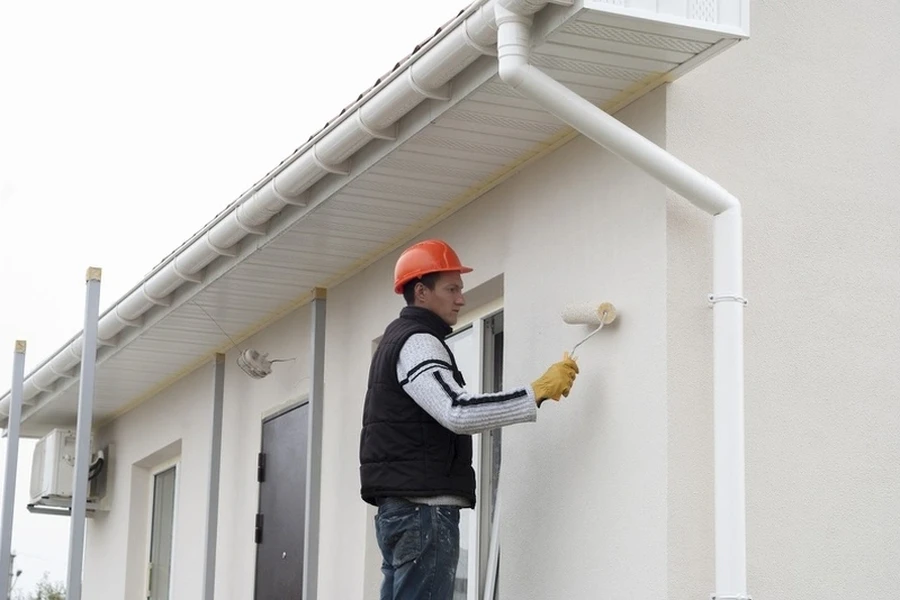
Exterior painting protects your home from weather by creating a sealed barrier against rain, sun, wind, and temperature changes. When applied the right way, paint keeps moisture out of siding, slows down sun damage, and helps your home stand up to storms. Without that layer of protection, wood can rot, metal can rust, and surfaces can crack. A fresh coat does more than improve curb appeal. It guards the structure underneath.
Why Prevention Matters
Your home’s exterior faces harsh weather all year. In the summer, strong sun can fade and dry out surfaces. In the winter, cold air and moisture can seep into tiny cracks. Rain and humidity add to the problem. Over time, this leads to peeling paint, warped siding, and even mold growth.
Exterior painting works like a shield. It seals small gaps and adds a layer that water and UV rays must pass through first. That extra layer helps the building materials last longer and reduces costly repairs.
Early Warning Signs of Weather Damage
You can often spot problems before they turn serious. Watch for these signs:
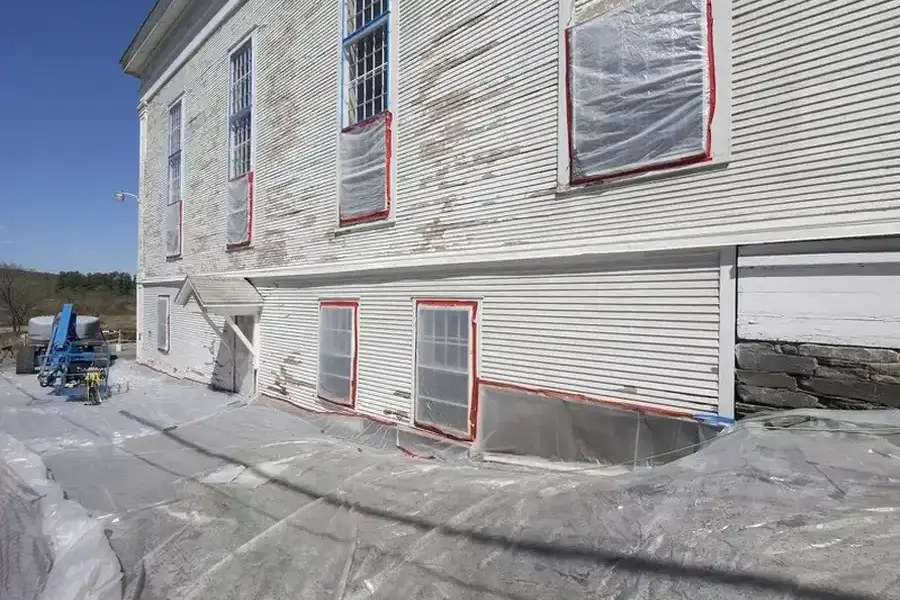
- Peeling or bubbling paint
- Cracks in wood or siding
- Soft or spongy spots on trim
- Faded or chalky color
- Rust stains on metal surfaces
These issues tell you the current paint layer is breaking down. Once that happens, water can get underneath. That is when wood rot and mold start to form.
Seasonal or Routine Checklist
Staying ahead of damage is easier with a simple routine. Check your home’s exterior at least twice a year, usually in spring and fall.
- Walk around your home and inspect siding and trim.
- Look closely at areas near gutters and downspouts.
- Check around windows and doors for cracked caulk.
- Touch up small chips before they spread.
- Wash dirt and mildew from painted surfaces.
Regular cleaning helps exterior painting last longer. Dirt holds moisture against the surface. Removing it keeps the paint dry and strong.
Best Practices for Long-Term Protection
Good exterior painting starts with proper prep work. Surfaces must be clean, dry, and smooth. Old peeling paint should be scraped away. Gaps need fresh caulk. Bare wood should be primed before painting.
Quality materials also matter. High-grade paint resists fading and cracking better than cheap products. The right finish for your siding type adds another layer of defense. For example, siding contractors often recommend specific coatings for fiber cement, vinyl, or wood siding.
Timing is just as important. Paint should be applied in mild weather. Extreme heat or cold can affect how it sticks and dries. A well-timed project improves how long the protective barrier lasts.
What Not to Do
Many homeowners try quick fixes that do not last. Avoid these common mistakes:
- Painting over dirt or mildew
- Skipping primer on bare spots
- Using interior paint outside
- Ignoring small cracks and gaps
- Waiting too long between paint jobs
These shortcuts may save time at first, but they often lead to peeling and early failure. Once moisture gets trapped under paint, repairs become more expensive.
When to Schedule Professional Help
Some touch-ups are easy for homeowners. Large areas of peeling paint or signs of rot are different. If boards feel soft or paint keeps bubbling after repairs, there may be deeper moisture problems.
Professional exterior painting crews know how to spot hidden damage. They can replace bad wood, seal gaps correctly, and apply coatings evenly. They also have the tools to reach high areas safely. A full repaint every several years keeps your home strong against changing weather.
Protect Your Home Before the Next Storm
Keeping your home safe from rain, wind, and sun starts with a solid paint system. In Sioux City, IA, weather can shift quickly and put stress on siding and trim. At Moore Bros Painting Inc, we focus on careful prep work and durable coatings that help homes stand up to the elements. If your paint is peeling or fading, call (712) 277-0173 to schedule a consultation and let us help protect your home for years to come.