
Why Proper Prep Work Makes Paint Last Longer and Look Better
Surface prep is the step that decides how your paint will look and how long it will last. Interior painting is not just about color. It is about what happens before the first coat goes on the wall. When you clean, patch, and prime the surface the right way, the paint sticks better, looks smoother, and resists peeling. When prep is rushed, even the best paint can fail.
What You Need Before Starting
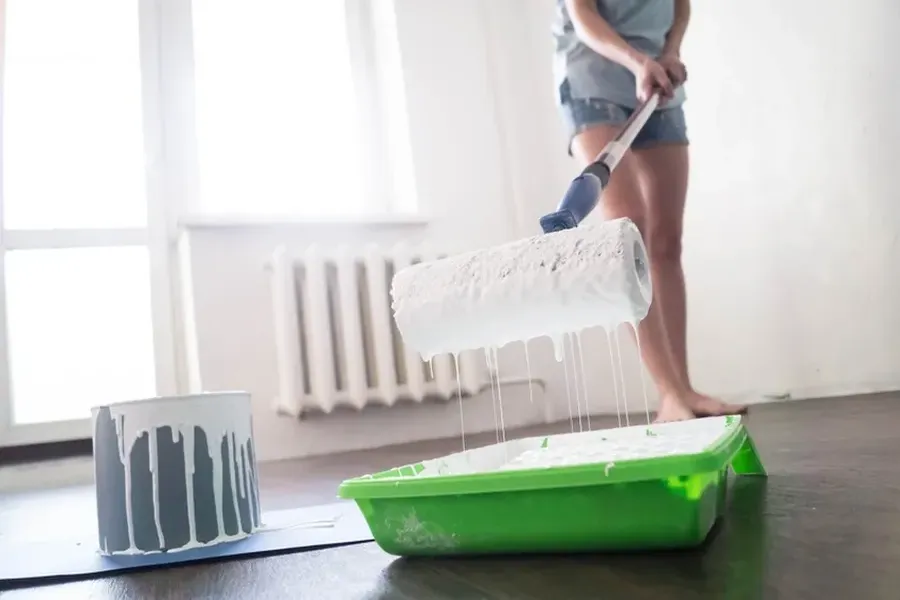
Before you open a paint can, gather the right tools and check the condition of your walls. Good prep does not require fancy gear, but it does take the right supplies and time.
- Drop cloths to protect floors and furniture
- Mild cleaner or degreaser
- Sponges and clean rags
- Spackling or joint compound
- Putty knife
- Fine and medium grit sandpaper
- Painter’s tape
- Primer matched to your wall type
Walk around the room and look at the walls in good light. Check for nail holes, cracks, stains, and peeling areas. This quick review will guide the prep work.
Step-by-Step Surface Prep Process
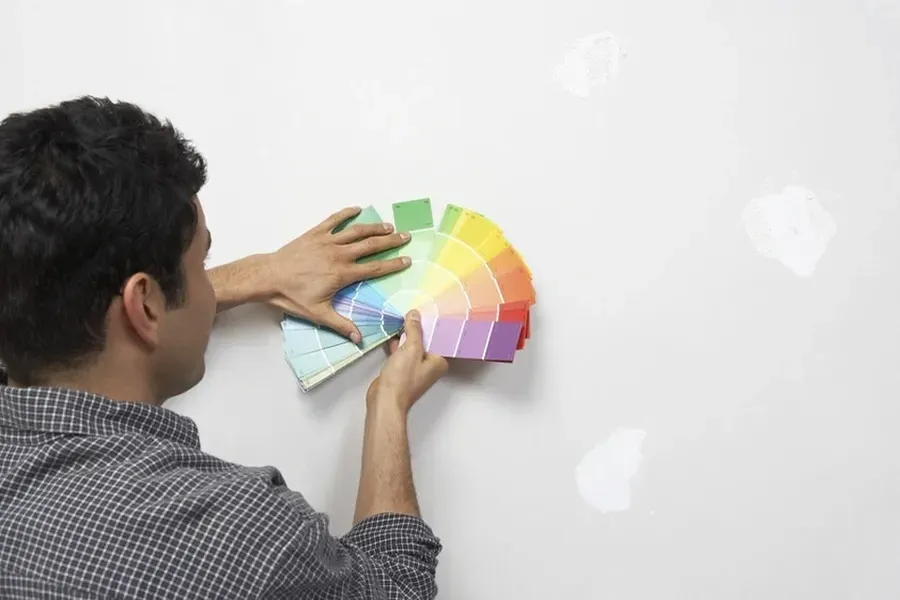
Interior painting results improve when you follow a clear process. Skipping steps often leads to rough spots or early peeling. Use this simple order:
- Clear the space. Move furniture or cover it. Take down art and outlet covers.
- Clean the walls. Dust, grease, and smoke film can block paint from sticking. Wash walls with mild cleaner, then let them dry.
- Repair damage. Fill holes and small cracks with spackling. Let it dry fully.
- Sand smooth. Sand patched spots and any rough areas. Light sanding across the wall helps new paint grip better.
- Remove dust. Wipe down walls after sanding. Leftover dust can ruin a smooth finish.
- Prime when needed. Use primer on stains, dark colors, fresh drywall, or patched areas.
Each step builds on the one before it. Clean walls help repairs stick. Smooth walls help paint glide on evenly. Primer creates a uniform base so the final color looks true.
Common Mistakes to Avoid
Many paint problems start with poor prep. Homeowners often rush because they want to see the new color right away. That can lead to extra work later.
- Painting over dirty walls
- Skipping sanding on glossy surfaces
- Not letting patches dry fully
- Forgetting to prime stained areas
- Using the wrong primer type
For example, if you paint over a greasy kitchen wall, the paint may bubble or peel within months. If you skip sanding on semi-gloss trim, the new coat may scratch off easily. Small steps make a big difference.
When to Call a Professional
Some surface issues go beyond simple patch and sand work. Large cracks, water damage, or peeling from past moisture problems need deeper repair. If drywall is soft or stained from leaks, the source of the water must be fixed first.
Older homes may have layers of paint that are thick and uneven. Smoothing these surfaces takes skill and time. High ceilings and detailed trim also add to the challenge. A professional crew can handle these jobs safely and produce cleaner lines and smoother finishes.
Final Recommendation and Next Steps
Interior painting success begins before the brush hits the wall. Cleaning, repairing, sanding, and priming create the base that makes color look rich and even. If you want walls that look smooth and stay beautiful for years in Sioux City, IA, we are ready to help. At Moore Bros Painting Inc, we handle every step of prep with care so the final coat looks sharp and lasts. Call (712) 277-0173 to schedule a walkthrough and see how we can improve your next paint project.